

Dr. David Jeremiah Presents
Living inthe Ageof Signs
Online Destination

Living in the Age of Signs
Online Destination
Sign 1



Maxwell’s Demon
Today’s Audio Devotion:
Maxwell’s Demon
In 1872, the Scottish physicist James Clerk Maxwell proposed a thought experiment. He imagined a tiny “demon” that could manipulate individual molecules, separating fast ones from slow ones and seemingly creating order out of chaos. The imaginary creature became known as “Maxwell’s demon,” and for more than a century scientists debated its implications.
The Bible, however, speaks of demons as real spiritual beings—the angels who fell with Satan and came to be his servants on this earth. Satan (Beelzebub) is called the “ruler of the demons.” The Pharisees made that remark after watching Jesus cast out demons. They couldn’t deny the Lord’s power. They just didn’t want to accept the divine source of His power.
The devil has many soldiers, but remember, they are limited in both time and action like their leader. Their increased activity is a sign that Christ’s return draws near. Rejoice in the knowledge that in Christ you are more than a conqueror and let your anticipation grow as you await His swift return.
When we draw near to God and resist evil, Satan and his demons flee from us. Demons face the same future fate as Satan; they know this and live in dread of future judgment.
Sean McDowell


For Your Phone or Tablet
Official Mobile App and Lock Screens



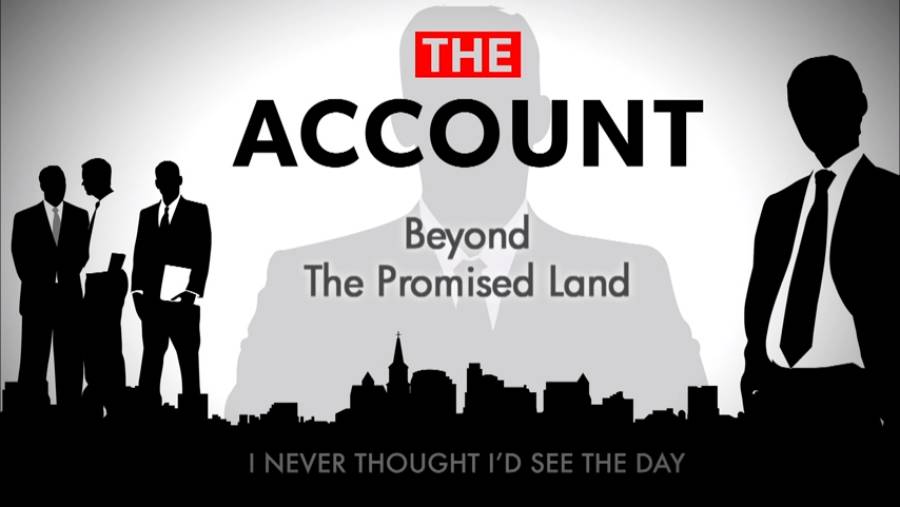
Beyond the Promised Land
This is episode nine from The Account, an original Turning Point Television production that was created to introduce David Jeremiah's teaching series I Never Thought I'd See the Day! Its message remains relevant for us as we are Living in the Age of Signs.
The Account takes you back to the 1960's when the advertising agency of Wyndham Ridgestone landed the most mysterious client in the history of their firm. This shadowy and intimidating Client hires the firm to influence the masses—to sway the behavior of people toward a liberal mindset—to market a moral shift in American culture. The faceless and nameless Client presents ten issues to the advertising firm and employs it to create these morally destructive campaigns.