
Dr. David Jeremiah Presents
Living inthe Ageof Signs
Online Destination
Living in the Age of Signs
Online Destination
Sign 1


Choose the Holy Spirit
Today’s Devotion:
Choose the Holy Spirit
Believers sometimes find themselves doing things they don’t want to do and not doing things they do want to do. The apostle Paul confessed that was his experience as well (Romans 7:7-25). So how can that happen to a born-again Christian?
Paul explains in Romans 7–8 that the sinful fleshly nature is still present in us. When we set our minds on things of the flesh, we find ourselves doing those things that are contrary to life in Christ. But if we set our minds on living according to the Holy Spirit, we find ourselves living a life pleasing to God. We cannot have our minds set on both flesh and Spirit at the same time. It is up to us to choose to live according to the Spirit and not the flesh.
Pray today for the filling of the Holy Spirit (Ephesians 5:18). Set your mind on following His leading that you may manifest the fruit of His presence (Galatians 5:22-23).
Anticipate your battles, fight them on Your knees before temptation comes, and you will always have the victory.
R. A. Torrey
For Your Phone or Tablet
Official Mobile App and Lock Screens

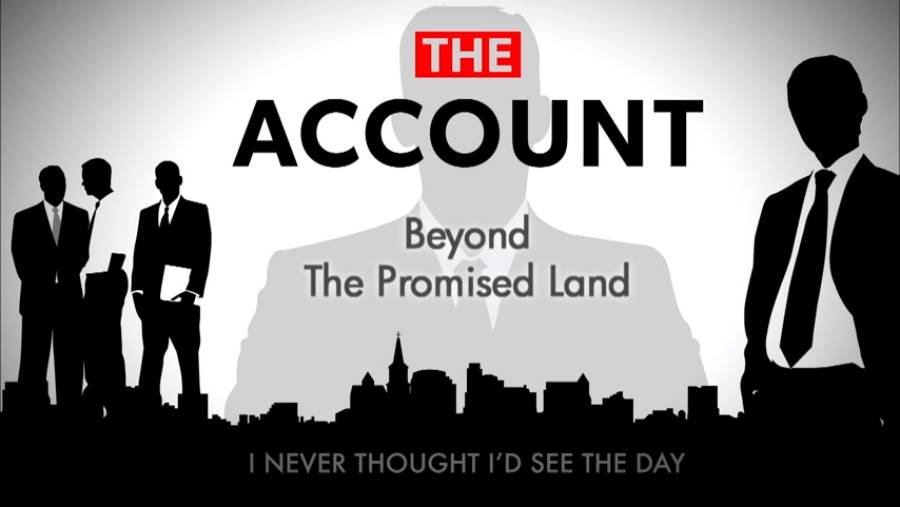
Beyond the Promised Land
This is episode nine from The Account, an original Turning Point Television production that was created to introduce David Jeremiah's teaching series I Never Thought I'd See the Day! Its message remains relevant for us as we are Living in the Age of Signs.
The Account takes you back to the 1960's when the advertising agency of Wyndham Ridgestone landed the most mysterious client in the history of their firm. This shadowy and intimidating Client hires the firm to influence the masses—to sway the behavior of people toward a liberal mindset—to market a moral shift in American culture. The faceless and nameless Client presents ten issues to the advertising firm and employs it to create these morally destructive campaigns.